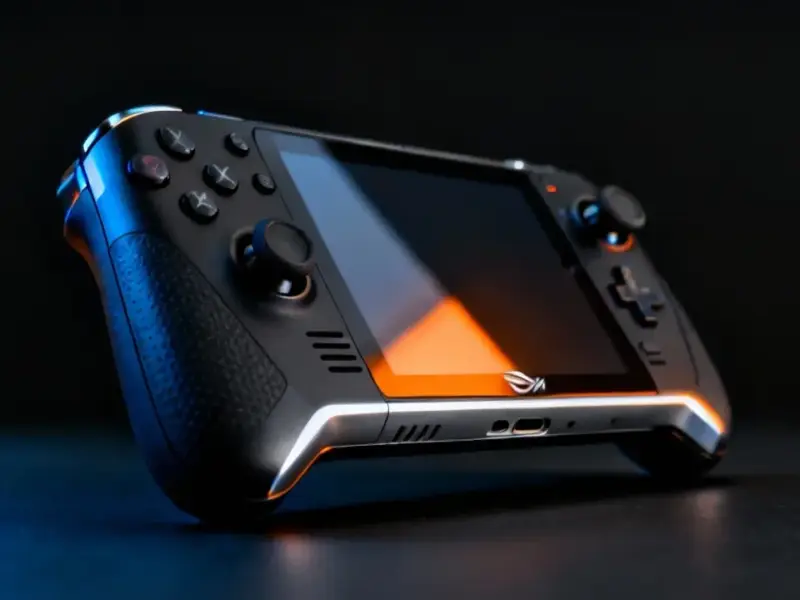
According to Forbes, Microsoft’s latest quarterly report shows Xbox hardware revenue plummeting by a staggering 32% year-over-year. This contributed to an overall 9% decrease in Xbox revenue. The decline continues a long-term trend of double-digit drops, which Microsoft has tried to counter by putting its first-party games on rival platforms like PlayStation and Nintendo Switch. Xbox President Sarah Bond stated back in November 2025 that hardware remains “absolutely core” to Xbox, teasing a new, powerful console that allows players to take their library with them. However, with a reported price point as high as $800 for the current Xbox Series X, consumer appetite appears to be waning sharply.


The Hardware Trap
Here’s the thing: Xbox is stuck. It’s a classic catch-22. Microsoft’s entire future strategy is built on Game Pass, that all-you-can-eat subscription buffet. But the vast, vast majority of Game Pass subscribers are on Xbox hardware. If they stop making the box, why would those millions keep paying a monthly fee? They could just buy the games they want, piecemeal, on PlayStation. So the hardware feels like a loss-leading necessity, a physical anchor for a digital service. But when the anchor itself is sinking—with a 32% drop from an already unimpressive base—the math gets scary. It’s a trap of their own making, and it started years ago when they began de-emphasizing the console as the only way to play.
The Multiplatform Paradox
And that’s the core paradox. To grow the Game Pass/Xbox ecosystem, they’ve made owning an Xbox less essential. Want to play the new Call of Duty or Indiana Jones? You can probably get it on PS5. This strategy might make financial sense for individual game sales, but it utterly cannibalizes the hardware business. Sony isn’t seeing these catastrophic drops, even with price hikes, because they’ve kept their must-play games locked to their platform. Microsoft’s “play anywhere” vision is consumer-friendly, but it’s brutally eroding the very foundation of their console business. So what’s the unique selling point for the next-gen Xbox they’re hinting at? A slightly better way to play games you can get elsewhere? That’s a tough sell.
The AI Distraction
Now, let’s talk about the elephant in the room: AI. Microsoft is all-in on Copilot and AI integration across everything. But gaming? It’s largely untouched by that frenzy. You have to wonder if, in the halls of Microsoft, the Xbox division looks like a relic—a capital-intensive, low-margin (or loss-leading) hardware business that hasn’t fully capitalized on mega-acquisitions like Activision. The pressure to “AI-ify” Xbox must be immense. But imagine the backlash if the next console is marketed around “Xbox Copilot” features instead of raw gaming power. It would feel like a distraction, or worse, a gimmick that drives the core audience further away. For a company chasing the next tech trend, a traditional console box might seem like a quaint, expensive hobby.
A Precarious Future
Look, Microsoft wouldn’t be the first to bow out. The tech graveyard is full of ambitious gaming projects. Google Stadia. Amazon’s studios. Meta’s metaverse dreams. Even historic brands like SEGA stopped making hardware. The writing seems to be on the wall, no matter what optimistic statements execs make. Bond’s comments about a “hybrid” device sound like a Hail Mary—a last attempt to find a niche the Switch hasn’t already dominated. But with revenue falling and strategic confusion reigning, the future of Xbox hardware seems unstable at best. As noted by reporters, the declines are stark. In the ruthless calculus of a tech giant, continuing to invest billions in a declining hardware line, while also giving away its exclusive software advantages, might soon be a equation with no good solution. Basically, how do you justify building a box that fewer and fewer people see a reason to buy?